


Buying a home in Florida is an exciting dream for many people. With its sunny weather, world-famous beaches, and no state income tax, it’s easy to see why so many want to settle in the Sunshine State. But when you start searching for your perfect place, you may quickly discover that the advertised price is only part of the story. There are many hidden costs of buying a home in Florida you must know before signing any contract. Missing these details can lead to big surprises and stress later.
In this guide, you’ll learn about the less obvious expenses that come with homeownership in Florida. We’ll break down each hidden cost, explain why it matters, and give you practical tips to avoid expensive mistakes. If you want your move to Florida to be smooth and financially smart, keep reading.
When you’re ready to talk to a real estate expert, reach out at info@enriquebello. com or call +1 (706) 844-3723 for personalized help.
Understanding The Hidden Costs Of Buying A Home In Florida
When people talk about the price of a home, they usually mention the listing price or how much the seller wants. But the real cost includes many other fees, taxes, and unexpected expenses. If you don’t plan for these, your budget can quickly get out of control. Florida is unique compared to other states, and some costs are higher or different because of the local climate, laws, and insurance requirements.
Why Florida Is Different
Florida has special challenges:
- Hurricane risk means higher insurance and stricter building codes.
- Flood zones require extra insurance.
- Homeowner association (HOA) fees can be very high in some areas.
- Property taxes change often, especially for out-of-state buyers.
Knowing these differences helps you make better decisions. Now, let’s look at each hidden cost in detail.
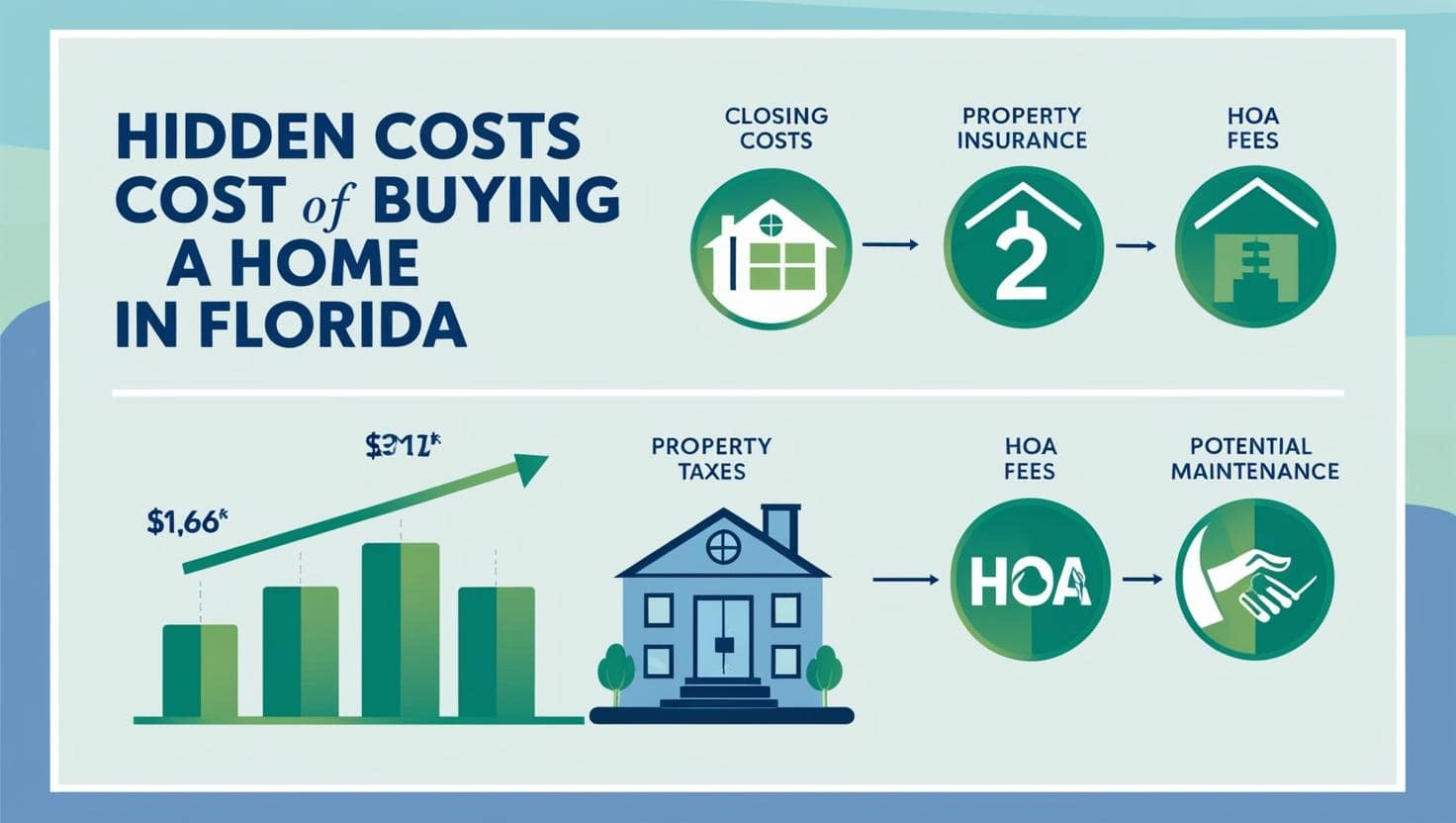
Closing Costs: More Than Just The Down Payment
Many buyers focus only on the down payment, but closing costs are another major expense. In Florida, closing costs typically range from 2% to 5% of the home’s price. For a $400,000 home, this could be $8,000 to $20,000.
Common closing costs in Florida include:
- Loan origination fees – What your lender charges to process your mortgage.
- Appraisal fees – To check the home’s value.
- Title insurance – Protects you if there are legal problems with ownership history.
- Recording fees – To officially record the sale with the county.
- Attorney fees – Sometimes needed for reviewing contracts.
- Inspection fees – Required for checking the home’s condition.
- Prepaid taxes and insurance – You often need to pay some taxes and insurance upfront.
Many buyers forget that even if you negotiate for the seller to pay some fees, you will still have to cover several of these costs. Always ask your lender for a Loan Estimate early in the process to avoid surprises.
Credit: orlandorealtyconsultants.com
Property Taxes: Expect Adjustments And Increases
Florida’s property taxes are based on the value of your home and the county’s tax rate. The average rate is about 0.89%, but it can be higher in popular areas like Miami-Dade or Palm Beach.
What many people miss:
- Property values reset after a sale, so your tax bill could jump compared to the previous owner.
- Some exemptions, like the Homestead Exemption, only apply if you live in the home as your main residence. Out-of-state or investment buyers may pay more.
- New construction homes often have lower initial tax bills, but these rise after the property is fully assessed.
Here’s a quick comparison of property tax rates in popular Florida counties:
| County | Average Property Tax Rate |
|---|---|
| Miami-Dade | 1.02% |
| Palm Beach | 1.06% |
| Hillsborough | 0.96% |
| Orange | 0.92% |
| State Average | 0.89% |
Plan for higher property taxes in your first year, and ask your real estate agent for an estimate based on the new purchase price.
Homeowners Insurance: The Florida Factor
Homeowners insurance is much more expensive in Florida compared to most other states. The reason is clear—hurricanes, floods, and sinkholes are real threats here. In 2023, the average homeowners insurance premium in Florida was over $4,200 per year, nearly three times the national average.
Key points you must know:
- Standard insurance often does not cover floods or hurricanes. You may need to buy separate policies.
- Lenders require full coverage before closing the sale.
- Insurance costs can increase every year, sometimes sharply after a major storm.
You might find that some companies do not offer coverage in high-risk areas. Always get quotes from several insurers, and check if you need windstorm or sinkhole coverage.
Flood Insurance: Not Just For Beach Homes
Many buyers think flood insurance is only for properties near the ocean, but Florida has many flood-prone areas away from the coast. Lenders require flood insurance if your home is in a high-risk zone, and the cost can add hundreds or thousands of dollars to your yearly expenses.
Quick facts about flood insurance in Florida:
- The average annual premium is about $700, but it can be much higher in certain zones.
- Even if it’s not required, consider buying coverage. Most standard homeowners insurance does not cover flood damage.
- FEMA flood maps change, so a home not in a flood zone today could be at risk in the future.
Hoa Fees: Community Living Comes At A Price
If you buy a home or condo in a planned community or building, you’ll likely have to pay Homeowners Association (HOA) fees. These fees cover things like landscaping, pools, security, and repairs to shared spaces.
HOA fees in Florida can range from $100 to over $1,000 per month, depending on the community and amenities. Some high-end condos in Miami or Naples charge even more.
What’s important:
- Fees can increase each year.
- Special assessments may be charged for big repairs, like new roofs or hurricane damage.
- Some HOAs have strict rules about renting, pets, and even paint colors.
Ask for the HOA’s financial statements and rules before you buy. This helps you avoid nasty surprises after moving in.

Credit: kirbydrakerealtor.com
Maintenance And Repairs: Yearly Expenses Add Up
Florida’s climate is beautiful, but it also causes faster wear and tear on homes. Humidity, salt air, and strong sun can damage roofs, paint, air conditioning systems, and more.
Common maintenance expenses include:
- Roof repairs (especially after storms)
- Air conditioning service (most homes run AC year-round)
- Pest control (termites and bugs love Florida)
- Yard work (lawns and trees grow quickly)
On average, budget at least 1%–2% of your home’s value each year for maintenance and repairs. For a $400,000 home, that’s $4,000–$8,000 per year. Ignoring maintenance can cause small problems to become expensive emergencies.
Utility Costs: More Than You Expect
Utility bills in Florida can be higher than newcomers expect, mostly because of air conditioning. During summer, your AC may run 24/7. Water bills may also be higher if you have a pool or large yard.
Here’s a basic comparison of average monthly utilities for a typical Florida home:
| Utility | Average Monthly Cost |
|---|---|
| Electricity | $130–$200 |
| Water/Sewer | $50–$80 |
| Internet/Cable | $70–$120 |
| Trash | $20–$40 |
These numbers can climb with larger homes, pools, or if you keep your home very cool. Plan your budget with these costs in mind.
Pest Control And Termite Protection
Florida is famous for its bugs. The warm, wet climate means pest control is not optional. Termites, ants, and cockroaches are common problems.
Most homeowners pay for regular pest treatments, which can cost $30–$50 per month. Termite protection is also wise, and a yearly contract may cost $300–$500. Skipping these services can lead to expensive repairs if pests damage your home.
Special Assessments And Municipal Fees
Sometimes, local governments or HOAs charge special assessments for big projects like new roads, sewer systems, or storm repairs. These are one-time fees that can cost hundreds or thousands of dollars.
You may also see municipal fees for things like fire protection, garbage pickup, or water connection. Always ask about any upcoming assessments or fees before you buy.
Moving Costs And Initial Setup
Moving to Florida involves more than just buying the house. Moving costs can add up quickly, especially if you’re coming from out of state.
- Professional movers for a long-distance move often charge $2,000–$5,000 or more.
- Setting up your home may require new furniture, appliances, or window coverings.
- Utility deposits and setup fees may be required before you move in.
These costs are easy to overlook, but they can eat into your savings.
Inspection And Appraisal Surprises
Every buyer should get a home inspection and appraisal before closing. Inspections in Florida often reveal issues unique to the area, such as:
- Old or damaged roofs (insurance companies may refuse to cover older roofs)
- Outdated electrical systems
- Flooding or drainage problems
Appraisals sometimes come in lower than the agreed purchase price, which can mean you need to pay more cash to close the deal. Always budget extra for any repairs found during inspection, and ask your lender what happens if the appraisal is low.
Transfer Taxes And Recording Fees
Florida charges a documentary stamp tax on real estate transfers, plus recording fees. These costs are often overlooked and can be significant.
- The documentary stamp tax is $0.70 per $100 of the sale price in most counties.
- Recording fees vary but are usually $10–$50.
For a $400,000 home, the stamp tax alone is $2,800. This is usually paid at closing.
Legal And Professional Fees
While Florida does not always require a lawyer for real estate deals, hiring one is smart for reviewing contracts and protecting your interests. Legal fees can range from $500 to $1,500 or more, depending on the complexity of your purchase.
You may also need to pay for a survey to confirm property boundaries, which can cost $300–$600.
Two Insights Most Buyers Miss
- Insurance can suddenly become unavailable. After a major hurricane, insurance companies sometimes stop writing new policies for months. If you’re buying during storm season, lock in your insurance early.
- Homestead exemptions don’t apply right away for new buyers. Many people think they’ll get lower property taxes immediately, but exemptions only apply after you’ve lived in your home for a set period and filed the correct paperwork.
How To Prepare For The Hidden Costs
- Get quotes and estimates for insurance, HOA fees, and utilities before you buy.
- Ask about all recent and planned special assessments in your area.
- Budget extra money for surprise repairs, especially for older homes or those near water.
- Consult a local real estate expert who knows the hidden costs of buying a home in Florida you must know. Email info@enriquebello.com or call +1 (706) 844-3723 for a free consultation.

Credit: www.youtube.com
Frequently Asked Questions
What Are The Biggest Hidden Costs Of Buying A Home In Florida You Must Know?
The main hidden costs are high homeowners insurance, flood insurance, HOA fees, closing costs, property tax increases, and regular maintenance. Many buyers also forget about special assessments and higher utility bills.
Do I Need Flood Insurance For Any Home In Florida?
While not every home requires flood insurance, many areas are flood-prone due to storms and heavy rain. Lenders require it for high-risk zones, but it’s wise to have flood coverage even outside these zones.
Can Hoa Fees Go Up After I Buy My Home?
Yes, HOA fees can increase yearly and special assessments can be charged for major repairs or emergencies. Always check the HOA’s financial health before buying.
How Much Should I Budget For Yearly Home Maintenance In Florida?
Plan to spend 1%–2% of your home’s value each year on maintenance and repairs due to Florida’s climate, storms, and pests.
Who Can Help Me Avoid Expensive Mistakes When Buying A Home In Florida?
A local real estate expert with Florida experience can guide you through all the costs and help you avoid surprises. Contact info@enriquebello. com or call +1 (706) 844-3723 for expert advice.
Buying a home in Florida is a major life step, but knowing all the hidden costs of buying a home in Florida you must know will help you make smart choices. Do your homework, ask questions, and work with trusted professionals. When you’re ready to start your Florida home search, reach out for expert help and make your move with confidence. For more official info, you can also check the Florida Department of Financial Services.