


Are you interested in learning how to become a private money lender in Florida? Many people are turning to real estate investing and lending because it can be a great way to grow your wealth. Private money lending in Florida is popular, thanks to the state’s booming property market and strong demand for fast, flexible loans. This guide will show you exactly how to start your journey, highlight what makes Florida unique, and provide tips to help you succeed.
As a private money lender, you offer your own funds to real estate investors or property buyers who need quick financing. Unlike traditional banks, you have more control over your terms and can often get higher returns. However, the process is not as simple as just giving out money.
You need to understand state regulations, protect yourself legally, and build trust with borrowers.
If you want to know how to become a private money lender in Florida, this article will explain everything you need: legal requirements, setting up your business, finding clients, and managing risk. By the end, you’ll know how to start lending safely and profitably in Florida’s real estate market.
Why Consider Private Money Lending In Florida?
Florida is one of the best states for private money lending. The real estate market is large and active, with thousands of investors looking for short-term loans to buy, fix, or flip properties. In many cases, these investors cannot get loans from banks because they need money quickly or have unique needs.
Private money lenders fill this gap, providing funds with less paperwork and more flexible terms. In return, lenders often receive interest rates between 8% and 15%, much higher than a regular savings account or stock dividend. In 2023, over $10 billion in private loans were issued in Florida, showing just how big the opportunity is.
Florida’s strong rental market and steady population growth also mean there are always new deals and borrowers. This makes Florida an attractive place to start as a private lender.
Understanding The Basics: What Is Private Money Lending?
Private money lending means you use your own capital to lend money directly to individuals or businesses. In Florida, these loans are mostly used for real estate—like buying, renovating, or building properties. The main features are:
- Short loan terms (usually 6–24 months)
- Higher interest rates compared to banks
- Collateral-backed (the property secures the loan)
- Quick funding (decisions in days, not weeks)
Private money lending is different from hard money lending, but many people use these terms interchangeably. Hard money lending often refers to lending through companies, while private lending is more personal or through a small business.

Credit: www.youtube.com
Legal Requirements To Become A Private Money Lender In Florida
Before you start lending, you must follow Florida’s laws and regulations. These rules are designed to protect both lenders and borrowers. Here’s what you need to know:
Licensing Rules
Florida does not require a special license to make private loans for business or investment purposes. However, if you lend to consumers for personal, family, or household use, you may need a license under Florida’s Consumer Finance Act.
Most private lenders focus on investment real estate, so they do not need a license. But it’s important to consult a lawyer and stay updated on state laws.
Usury Laws
Usury laws limit the maximum interest rate you can charge. In Florida:
- For loans under $500,000, the maximum interest rate is 18% per year.
- For loans over $500,000, you can charge up to 25% per year.
Charging more than these limits is illegal and can lead to severe penalties.
Loan Documentation
Every loan needs a promissory note (agreement to repay) and a mortgage or deed of trust (property as collateral). These documents must be clear, legal, and enforceable.
Foreclosure Rules
If a borrower stops paying, you may need to foreclose on the property. Florida uses judicial foreclosure, which means you must go to court. This process is slower than in some states, but it protects both sides.
Setting Up Your Private Lending Business
If you want to know how to become a private money lender in Florida and protect your assets, setting up your business correctly is key.
Choose A Business Structure
You can lend as an individual, but most experts recommend forming a Limited Liability Company (LLC) or a corporation. This helps separate your personal assets from your business risks.
Open A Business Bank Account
Never mix your personal and business funds. Opening a separate bank account keeps your records clear and helps with taxes.
Get Professional Help
Hire a real estate attorney and an accountant. They will help you draft loan documents, follow state laws, and manage taxes. Many beginners skip this step and face legal trouble later.
Consider Insurance
Lender’s title insurance protects you if there’s a problem with the property’s title. Errors and omissions insurance covers mistakes in paperwork. Both are wise investments for new lenders.
How To Find Borrowers In Florida’s Real Estate Market
Without borrowers, you can’t make money as a private lender. Here are the best ways to find clients in Florida:
- Network with real estate investors: Attend local real estate meetings, join online forums, and connect with real estate agents.
- Create a website: Having an online presence makes you easier to find.
- Partner with mortgage brokers: Many brokers have clients who need private loans.
- List your services on real estate investment platforms or social media.
- Advertise locally in newspapers and real estate newsletters.
Always check a borrower’s experience, credit, and property before agreeing to a loan. Many successful lenders use a checklist to keep their process consistent.
Evaluating Loan Requests: What To Look For
Not every deal is a good deal. To succeed, you need to evaluate each loan carefully.
Analyze The Property
- Location: Is the property in a stable, growing area?
- Value: Order an appraisal to confirm the market value.
- Condition: Is the property in good shape, or does it need repairs?
Review The Borrower
- Experience: Has the borrower completed similar projects before?
- Credit history: Good credit is a positive sign, but not always required.
- Down payment: Require at least 20%–30% down. This shows the borrower is invested.
Loan-to-value (ltv) Ratio
This is the loan amount compared to the property’s value. Most private lenders in Florida stick to 60%–70% LTV. This protects you if the property value drops.
Example Ltv Calculation
If a property is worth $300,000 and you lend $180,000:
Ltv = $180,000 / $300,000 = 60%
Exit Strategy
Ask how the borrower will repay you—will they sell, refinance, or rent the property? Make sure the plan is realistic.

Credit: www.wolterskluwer.com
Structuring Your Private Money Loans
How you set up each loan affects your profit and risk.
Typical Loan Terms
- Interest rates: 8%–15% per year
- Points/fees: 1–4% upfront (charged at closing)
- Loan term: 6–24 months
- Payments: Interest-only or monthly payments
Sample Loan Structure
| Loan Amount | Interest Rate | Points | Loan Term | Monthly Payment |
|---|---|---|---|---|
| $150,000 | 10% | 2% | 12 months | $1,250 (interest only) |
Remember: Always collect payments through a bank and keep detailed records.
Managing Risk As A Private Lender In Florida
Every loan comes with risk, but you can reduce it:
- Require sufficient equity: Low LTV protects you if the borrower defaults.
- Use strong legal documents: Work with a lawyer to write your contracts.
- Verify insurance: Make sure the property has hazard insurance.
- Inspect the property: Visit the site before lending and after major repairs.
- Check title and liens: Use a title company to check for claims against the property.
Common Mistakes To Avoid
- Lending without a written agreement
- Ignoring borrower’s experience
- Failing to confirm insurance
- Not using a title company
- Overvaluing the property
Many new lenders lose money by skipping these steps.
Building Your Brand As A Private Money Lender In Florida
To stand out, you need a strong reputation. Here’s how:
- Be honest and clear about your terms
- Communicate quickly with borrowers
- Ask for referrals from happy clients
- Share success stories on your website
Success in private lending is built on trust. The more you help your clients, the more they will recommend you.
Tax Considerations For Private Money Lenders
Money earned from private lending is considered interest income. In Florida, there’s no state income tax, but you must report your earnings to the IRS.
- Keep detailed records of all loans and payments
- Work with an accountant to maximize your deductions
- Consider lending through a retirement account (like a self-directed IRA) for tax advantages
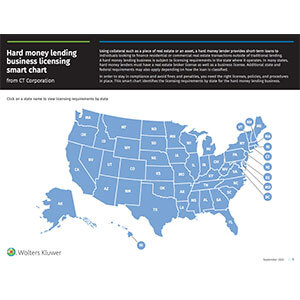
Credit: www.wolterskluwer.com
Private Money Lending Vs. Hard Money Lending In Florida
Some people wonder about the difference. Here’s a quick comparison:
| Feature | Private Money Lending | Hard Money Lending |
|---|---|---|
| Funding Source | Individuals or small groups | Companies or funds |
| Loan Size | Usually smaller | Larger, commercial |
| Flexibility | High, case-by-case | Standardized terms |
| Regulation | Less regulated | More regulated |
Both offer great opportunities, but private lending is often more personal and flexible.
Real-world Example: A Successful Florida Private Money Loan
Jane, a new private lender in Orlando, lent $100,000 to a property investor for a fix-and-flip project. She charged 10% interest and 2 points for a 12-month loan. The investor completed the project in 8 months, repaid the loan, and Jane earned $10,000 in interest plus $2,000 in points—12% return in less than a year. Jane carefully checked the property, used a lawyer for paperwork, and required insurance. This shows how private money lending can be profitable and safe when you follow best practices.
Useful Resources For Florida Private Money Lenders
- Florida Department of Financial Services: Official rules and updates
- Local real estate investment clubs
- NMLS Consumer Access for checking licenses
Learning from others is one of the fastest ways to grow.
Frequently Asked Questions
What Is The Minimum Amount Needed To Become A Private Money Lender In Florida?
There’s no legal minimum, but most lenders start with at least $50,000–$100,000. This lets you make meaningful loans and spread risk.
Do I Need A Special License To Lend Money In Florida?
If you lend to real estate investors, you usually don’t need a license. Lending to consumers for personal needs may require a license. Always check current state laws.
What Happens If A Borrower Doesn’t Repay The Loan?
You can start a judicial foreclosure in Florida. This means you go to court to recover your money by taking ownership of the property. It’s important to have good legal documents.
How Much Interest Can I Legally Charge As A Private Lender In Florida?
For loans under $500,000, the legal maximum is 18% per year. For larger loans, you can charge up to 25%. Never exceed these rates.
How Can I Find My First Borrowers?
Network with real estate investors, use online platforms, and advertise your services. Attend local property investment events to connect with serious clients.
Ready to start your journey as a private money lender in Florida? Have more questions or need expert guidance? Call us at +1 (706) 844-3723 or email info@enriquebello.com for personal help. Take the first step toward building your lending business today!