


Are you searching for a profitable way to invest your money? Do you want to learn how to become a private money lender in Florida and help real estate investors grow? This guide is for you. Private money lending is gaining popularity as a flexible, high-yield investment strategy. In Florida, the real estate market is booming, and demand for quick, non-bank loans is rising every month. If you want to enter this market, you’ll need to understand both the benefits and the challenges. This article explains every step so you can confidently start your private lending journey and make smart decisions.
Why Choose Private Money Lending In Florida?
Florida is a hot spot for real estate. Its growing population, vibrant cities, and popular vacation spots create non-stop demand for property. Many real estate investors need fast loans to secure deals, renovate homes, or flip properties. Traditional banks are often slow and strict, making private money lenders the preferred choice.
By becoming a private lender, you can:
- Earn high interest rates (often 8-15% or more)
- Secure your investment with real estate collateral
- Choose your own deals and borrowers
- Enjoy monthly cash flow without owning property
The Florida real estate market offers many opportunities for private lenders. However, you should know the rules and risks before investing your money.
What Is A Private Money Lender?
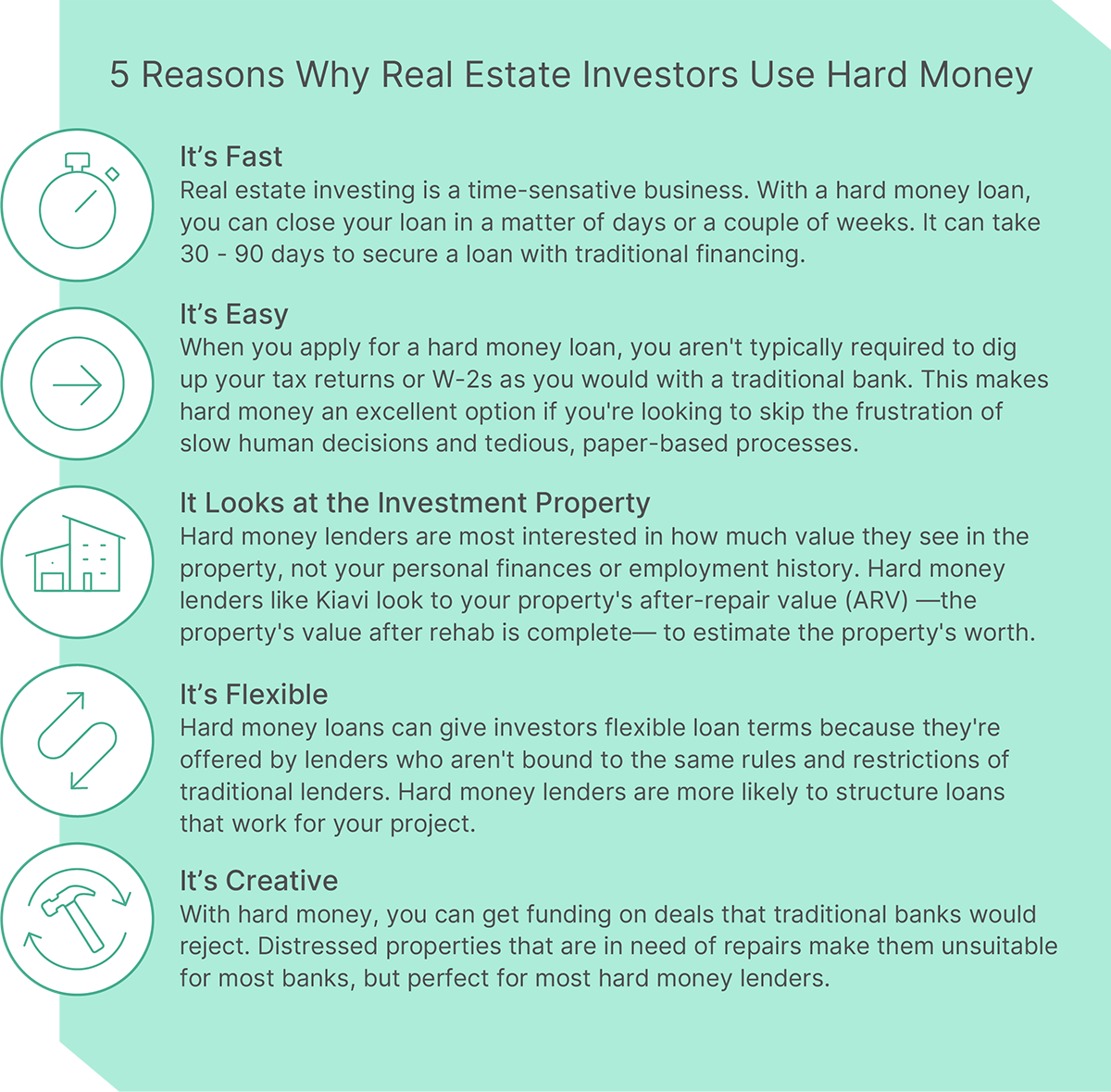
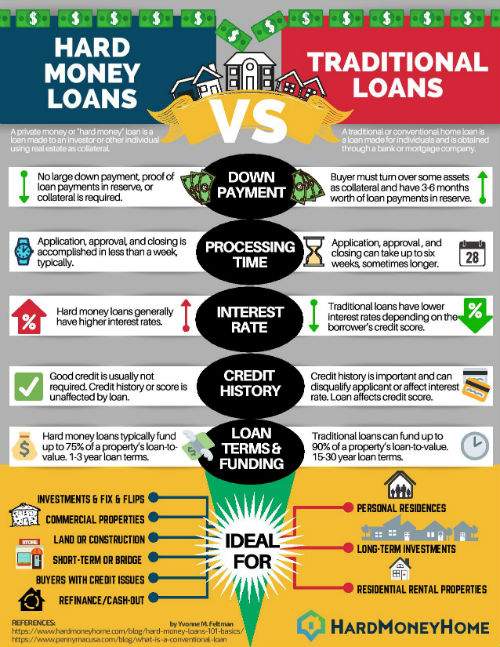
A private money lender is an individual or business that offers loans, usually secured by real estate, outside of traditional banks. These lenders fill the gap for investors who need quick funds or don’t qualify for bank loans. Private loans are usually short-term (6-36 months) and have higher interest rates, but they offer flexibility that banks cannot match.
Key Characteristics Of Private Money Lending
- Secured by real estate
- Shorter loan terms (compared to mortgages)
- Faster approval and funding
- Personalized agreements between lender and borrower
Private lending is different from hard money lending, though the terms are often used together. Hard money loans are usually from established businesses and follow strict guidelines. Private loans are more flexible and often come from individuals or small groups.
:max_bytes(150000):strip_icc()/hard-money-basics-315413_Final-cdfb8155170c4becb112da91bd673fe8-0472b1f57ff94abebddef246c221a65f.jpg)
Credit: www.thebalancemoney.com
Steps: How To Become A Private Money Lender In Florida
If you want to know how to become a private money lender in Florida, follow these steps:
1. Educate Yourself About Private Lending
Start by learning the basics of private lending. Read books, listen to podcasts, and attend seminars. Understand how loans are structured, what documents you need, and the risks involved. Join Florida real estate investor groups to meet others in the field.
2. Check Legal Requirements And Licensing
Florida has specific laws for private lending. You do not need a banking license to lend your own money. However, if you lend to more than one person or advertise loans, you may need a mortgage broker license. Always follow the Florida Usury Laws to avoid charging illegal interest rates.
Consult a real estate attorney who understands Florida law. They can help you draft loan agreements, review compliance issues, and protect your interests.
3. Decide Your Investment Strategy
Are you lending to flippers, landlords, or commercial investors? Decide what kind of borrowers and properties you want to work with. Set your loan amounts, interest rates, and loan-to-value (LTV) ratios. Make sure your strategy matches your risk tolerance.
4. Secure Your Capital
You need funds to lend. Use your savings, retirement accounts (like a self-directed IRA), or pool money with trusted partners. Only invest money you can afford to lend long-term.
5. Build Your Professional Team
Work with a team of experts to protect your investment:
- Real estate attorney: Drafts contracts and reviews deals
- Title company: Handles closing and records liens
- Appraiser: Values the property
- Insurance agent: Checks property insurance
6. Find Borrowers And Opportunities
Market your lending services through real estate investment groups, social media, and networking events. Build relationships with local investors, realtors, and contractors. Carefully screen borrowers to reduce risk.
7. Underwrite Your Loans
Underwriting means reviewing the borrower and the property to decide if you should lend. Check the borrower’s credit, experience, and plan. Inspect the property and compare its value to the loan amount. Set clear loan terms, interest rates, and payment schedules.
8. Close The Deal
Use a reputable title company to close the transaction. Make sure you record a mortgage or lien on the property. This protects your investment if the borrower defaults.
9. Service The Loan
Decide if you will collect payments yourself or use a loan servicing company. Track payments, send statements, and handle any late fees or problems. If the borrower cannot pay, you may need to foreclose and take the property.
10. Monitor Your Portfolio
Keep records of all loans, payments, and communications. Regularly review your investments. Adjust your strategy as you gain experience.
Florida Private Money Lending: Key Rules And Regulations
Florida law is friendly to private lenders but has some important rules:
- Usury laws: Florida limits the interest you can charge (usually 18% for loans under $500,000, and 25% for larger loans)
- Foreclosure process: Florida uses a judicial foreclosure process, which can take several months
- Licensing: Lending to many borrowers or advertising loans may require a license
Always use written contracts and secure your loans with a mortgage or deed of trust.
How Much Can You Earn As A Private Money Lender In Florida?
Your returns depend on your loan terms, risk, and deal structure. Most private loans in Florida offer 8-15% annual interest. Some lenders also charge points (fees at closing), usually 2-5% of the loan amount.
Here is a simple comparison of potential returns:
| Loan Amount | Interest Rate | Annual Income | Points Earned | Total 1st Year Earnings |
|---|---|---|---|---|
| $100,000 | 10% | $10,000 | 3% ($3,000) | $13,000 |
| $250,000 | 12% | $30,000 | 2% ($5,000) | $35,000 |
| $500,000 | 8% | $40,000 | 4% ($20,000) | $60,000 |
Returns are much higher than typical savings accounts or CDs. However, real estate is not risk-free. If the borrower defaults and the property value drops, you could lose money.
Comparing Private Money Lending To Other Investment Options
It’s useful to see how private money lending compares to stocks, bonds, and traditional real estate.
| Investment Type | Average Return | Liquidity | Risk Level | Control |
|---|---|---|---|---|
| Private Money Lending | 8-15% | Low | Medium | High |
| Stocks | 6-8% | High | High | Low |
| Bonds | 2-4% | Medium | Low | Low |
| Rental Properties | 6-10% | Low | Medium | High |
Private lending offers higher returns and more control, but also requires careful deal selection.
Credit: www.kiavi.com
Common Mistakes New Florida Private Money Lenders Make
If you want to succeed, avoid these beginner mistakes:
- Not securing the loan with real estate. Always record a mortgage or lien.
- Ignoring borrower experience. Lend to people who understand real estate.
- Overestimating property value. Use independent appraisers.
- Failing to check insurance. The property must have enough coverage.
- Not understanding foreclosure. Florida’s foreclosure process is slow and legal-heavy.
- Violating usury laws. Never charge more than the legal interest rate.
- Lack of documentation. Always use written contracts.
- Lending all your capital in one deal. Diversify your loans to reduce risk.
Many new lenders focus only on high interest rates. However, safety and legal compliance are just as important as returns.
Non-obvious Insights For Aspiring Lenders
Many beginners miss these facts:
- Network strength matters: The best deals come from trusted relationships, not public ads.
- Loan servicing is work: Collecting payments and managing defaults can be time-consuming. Consider hiring a servicing company.
- Title insurance is critical: This protects against surprises like unknown liens or title problems.
- Exit strategy is key: Always know how you’ll recover your money if the borrower cannot pay.
How To Find Reliable Borrowers In Florida
The most successful private money lenders build strong local networks. Join real estate investor associations, attend property auctions, and connect with realtors who work with investors. Ask for referrals from past borrowers who paid on time. Always check references and verify the borrower’s experience and plan.
Florida Private Money Lending Example
Imagine you lend $150,000 to a real estate investor in Tampa to renovate a home. You charge 11% interest and 2 points ($3,000 upfront). The investor finishes the renovation and sells the property six months later, paying back your loan plus interest.
You earn $8,250 in interest and $3,000 in points—a total of $11,250 in just half a year, secured by the property.
How To Scale Your Private Lending Business
Once you have experience, you can grow by:
- Pooling funds with other investors (create a lending fund)
- Advertising your services (if licensed)
- Building repeat business with trusted borrowers
- Offering larger loans or more flexible terms
As your business grows, you may choose to specialize in certain property types or borrower profiles.
Call To Action
Are you ready to start your journey as a private money lender in Florida? Success comes from knowledge, careful planning, and strong relationships. If you have questions or want expert guidance, contact us today at +1 (706) 844-3723 or email info@enriquebello.com. We’re here to help you achieve your investment goals with confidence.
Credit: www.hardmoneyhome.com
Frequently Asked Questions
What Is The Minimum Capital Required To Become A Private Money Lender In Florida?
There is no legal minimum, but most deals start at $50,000-$100,000. Some lenders start with as little as $10,000 if they partner with others or fund smaller loans.
Do I Need A License To Become A Private Money Lender In Florida?
If you lend to multiple people or advertise your lending business, a mortgage broker license may be required. Lending your own money for a few deals usually does not require a license. Always check with a Florida real estate attorney.
What Interest Rates Can I Legally Charge As A Private Lender In Florida?
Florida usury laws limit interest rates to 18% for loans under $500,000, and 25% for loans above that amount. Charging more can result in penalties.
How Do I Protect Myself If A Borrower Stops Paying?
Always secure your loan with a mortgage or deed of trust on the property. If the borrower defaults, you can start foreclosure to recover your investment. Work with a qualified attorney for the process.
Where Can I Learn More About Private Money Lending Laws In Florida?
You can read more at the Florida Bar Association website or consult a licensed attorney for advice.
Ready to take the next step? Call +1 (706) 844-3723 or email info@enriquebello.com for help with your first deal or to join a thriving Florida lending community. Your path to profitable investing starts here!